“Rotation”
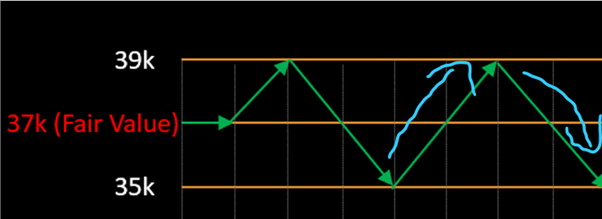
For auction market theorists, price is understood to be auctioning between one extreme to another, each price turn is commonly termed as a rotation.
This process is a natural phenomenon through the negotiation between buyers and sellers. Through these rotations market participants use the auction process to establish fair value and influence their market behaviour.
When price is being advertised at below fair value, demand may enter the market and establish its view that prices have deviated below from fair value. Likewise If price is being advertised above fair value, supply may dominate the market reflecting the view that the price has deviated above from fair value.
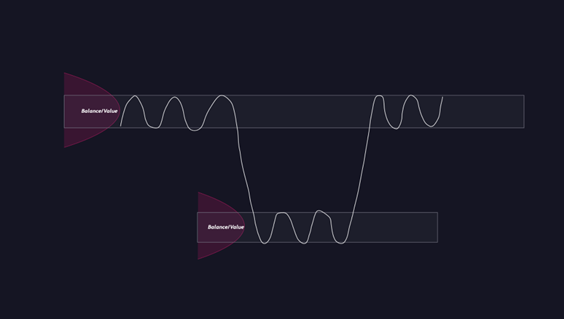
To help visualise what is happening here think about what happens in a traditional real-life auction. At the beginning the auctioneer will set a price and participants will be asked to place a bid at that price or higher once the action begins. If no one attending the event makes an offer, then there is acceptance amongst guests that the price of the asset is above fair value. Interestingly, the auctioneer is now forced into lowering the price until they find buyers (demand) in the room.
Now consider the alternative scenario. If the auctioneer begins the auction by advertising a price that is a significant deviation below fair value, they may find the room erupt into a flurry of bidding, quickly raising the price towards fair value.
An auction ends once there is a single buyer left, the individual willing to pay the highest price for the asset. To auction market theorists this would be seen as the conclusion to that auction rotation and the beginning of a new one, regardless of timeframe.